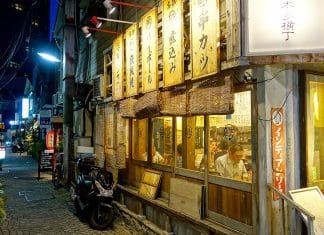
It’s no secret why people are drawn to Japan. Denizens around the globe are enchanted with the fascinating culture, impressive architecture; and of course, the incredible food! Unfortunately, the global pandemic caused the Japanese Government to shut its borders, and people around the world are simply waiting for the chance to visit and experience it all for themselves.
I’m currently living in Okinawa, and my family and I constantly stop in various konbini (convenience stores) and specialty shops to load up on delicious treats. For anyone that isn’t already in Japan, these sweet and savory Japanese snacks may seem a world away, but there is a way to get them too!
Sakuraco, and other companies like it, make it possible to get a slice of Japan delivered straight to your doorstep with their authentic Japanese Subscription Snack Box
In this review, I’ll be taking a look at how Sakuraco works, what you get when ordering one of their snack boxes, how much a subscription costs, and conclude with my thoughts on whether or not the cost is worth it.
(Disclaimer) To preface, I’m not an affiliate of Sakuraco. The good people at Sakuraco reached out, sent me their latest snack box, and asked me to provide an honest review, so I’m excited to share my thoughts with you!
What Is Sakuraco?
Sakuraco is a company that sources and sells monthly subscription boxes containing authentic Japanese snacks, sweets and tea. Each month Sakuraco curates a themed box filled with different snacks. The themes normally follow seasonal trends as well as spotlight specific locations around Japan. For example, I received the November 2021 box from Sakuraco to review and its theme is “Autumn in Kyushu”.

The themes ensure each monthly box is varied and allow you to explore different aspects of Japanese snacks and sweets. All the snacks are made by local makers across the country to truly highlight the varied, authentic tastes of Japan.
Sakuraco Price and Shipping
Price
Boxes from Sakuraco can be purchased every month or you can pay ahead for 3, 6, or 12 months worth of boxes. Buying the longer term subscriptions provides additional savings as well.
| Subscription Length | Price Per Month | Total Price (USD) | Savings |
|---|---|---|---|
| 1 Month | $37.50 | $37.50 | – |
| 3 Months | $35.50 | $106.50 | $6 |
| 6 Months | $33.50 | $201.50 | $24 |
| 12 Months | $32.50 | $390.50 | $60 |
The boxes are paid in full at the beginning of the subscription, and you can cancel your subscription at any time.
Please note this doesn’t mean you get your money back for your current plan, but instead your subscription won’t auto renew in the future.
It’s also important to remember that you’re paying for next month’s box. This means that if you want the December box, you need to be subscribed in November. If you subscribe in December, you will receive January’s box, and so on and so forth.
Shipping
Boxes are trackable and shipped using either DHL Express or EMS (Express Mail Service) from the Japan Post. If your country can’t do Express mail then they’ll ship via Priority Mail from the Japan Post.
They do ship worldwide and you can see your countries specific shipping times and costs here. Shipping costs are either $10.50 or $12.50 depending on your location. Similarly, shipping times will be between 2 and 10 business days depending on your country and location.
What’s in My August in Kyushu November 2021 Box?
Snack Guide
Every box includes a handy little snack guide that explains the theme of the box, highlights some of the makers and confectionaries, gives historical context, and highlights each of the snacks provided in the box.

They even list the common allergens found in each treat and detail if they are vegetarian-friendly; which I have to say, my wife is a vegetarian and particularly appreciated that part. The snack guide also included cute pictures of each confectionary, which was helpful towards identifying each snack before tasting.
Sweet Potato Karinto
Japanese sweet potatoes are a classic fall treat. The sweet potato karinto had that classic sweet potato taste, but with an extra delicious french-fry twist. My first impression was honestly that they taste (in a very good way) like a McDonald’s french-fry coated in a crunchy sugar glaze.

Sweet Potato Monaka
Monaka’s are typically sweets made from a red beans paste, sandwiched between a thin crispy wafer made from mochi. This sweet potato monaka was exactly that, but with a delicious sweet potato filling.

There wasn’t a ton of flavor upfront in the first bite, but you get a nice spread of a very honey-like sweet potato flavor once you reach the center filling.
Purple Imo Bread
The Purple Imo Bread was one of my favorites. The purple loaf had sweet potato mixed into the dough and it was deliciously filled in a way that was beautifully balanced, and not overly sweet. I actually wish I could have this for breakfast every day.

Spring Autumn Rabbit Owan Bowl
Each Sakuraco box features some sort of Japanese Home Good, like chopsticks, ceramics or furoshiki (wrapping cloth).

My box contained an adorable Spring Autumn Rabbit Owan (bowl). The lacquerware bowl has both sakura blossoms and maple leaves on it to represent spring and autumn respectively. It also has adorable little rabbits, which are a reference to the myth about how the moon was created by rabbits pounding mochi.
Kumamoto Castle Under the Moon Chestnut Manju
I fell in love with manju when I traveled to Itsukushima and bought several boxes of their momiji manju. You can read about that trip here.
Manju are a traditional Japanese confectionary that use flour (as opposed to rice, as in mochi) to make a shell around a generous amount of filling, which is typically red bean paste.

These adorable manju however, were filled with a blend of sweet red beans and chestnuts. The pasty wrapping was also very thin. They were sweet and a bit savory with a slightly nutty taste from the chestnut.
Chestnut Baumkuchen
Baumkuchen are actually from Germany and feature many distinct layers. The design is typically a ring shape and the name apparently translates to “tree cake” because the layers look like the rings on a tree.

This particular chestnut baumkuchen had a really strong and sweet chestnut flavor. I felt like I could taste it before I even put it in my mouth. It had a very pleasant after taste that lingered for a while. The snack guide suggests it as a nice breakfast treat with tea and I’d definitely agree.
Fukamushi Green Tea
Speaking of tea, each box from Sakuraco also contains some type of matcha (powdered green tea), hojicha (roasted green tea), or seasonal tea.

I received a very delicious green tea from Shizuoka made from fukamushi leaves native to the region. It had a very rich, but not overpowering green tea flavor. I find that matcha can be a bit overpowering in flavor sometimes. But this had a great balance and made the perfect palette cleanser while trying all of these sweets.
Chestnut Manju
While this was also a chestnut manju like the specially named “Kumamoto Castle Under the Moon Chesnut Manju”, it was very different. This one was actually meant to resemble the appearance of a chestnut. The pastry wrapping wasn’t quite as a soft as the Kumamoto one, but the filling was even tastier, making it another of my favorites in the whole box.

Chestnut Jelly
According to the snack guide, “Japanese jellies have been a popular dessert since the 17th century when a plant-based thickener called agar was discovered.” That means you can enjoy this jelly treat even as a vegetarian.

My wife really liked this one and so did I. The jelly had a nice light taste with a lot of flavor coming from the adzuki beans and chestnut pieces.
Brown Sugar Donuts
With their super soft and moist interior, along with a sprinkling of Okinawan brown sugar, there isn’t much to say other than that these were delicious. They were lightly fried and very rich, making them the biggest guilty pleasure of the bunch. I’m also partial to Okinawa, which while it is pretty far away, it’s still technically part of the Kyushu region.

Kumamoto Castle Ginkgo Pie
Made from flakey pastry shaped into a ginkgo leaf, and even containing some ginkgo leaf powder, these Ginkgo Pies were amazing. They definitely deserve an award for texture. The crunch of the flakey pastry was the most satisfying I’ve ever had. Now that I think about it, the sound was quite reminseinct to that of autumn leaves crunching under footfalls. I’m not sure if that was intentional, but I’m going to assume it was.

Daimaru Senbei
Along with manju, I’m also a big fan of senbei and this Daimaru Senbei did not disappoint. It’s hard to say, but this might be my favorite of all of the snacks and sweets. It was really crunchy, as any good senbei should be, and it was also really big. It had a savory soy sauce and sweet honey glaze on it, which along with the crunch, gave it very familiar and specific taste.

In a weird way it tasted almost exactly like the little half-popped and just slightly burnt kernels at the bottom of a popcorn bag. I loved it, but my biggest complaint is now I need to find out how to get more….
Black Bean Senbei
The Daimaru senbei was a tough act to follow, but the black bean senbei made up for it with its unique texture and flavor that the bits of black bean provided. It wasn’t quite as flavorful as the other senbei, but I still thoroughly enjoy this one as well.

Yawaraka Milk Cookie
Yawaraka (やわらか) means soft in Japanese and these yawaraka milk cookies lived up to their name. They were super soft with an amazingly creamy texture. The white chocolate flavor was front and center making them quite sweet, but very delicious.

Amanatsu Citrus Jelly
Amanatsu (甘夏) translates literally to “sweet summer” and is an orange citrus. They were originally discovered in the Yamaguchi prefecture, but the ones in this jelly are from Kumamoto.

The jelly was refreshing and had a good balance of flavors from sweet to tart. Overall, it kind of reminded me of a grapefruit but was definitely more sweet than bitter.
Brown Sugar Bolo
Bolo means cake in Portuguese. In 1543, Portugal began trading with Japan and opened a port in Nagasaki, the capital of Kyushu. Many foods were introduced and adopted into Japanese cuisine because of this relationship.

This brown sugar bolo was very moist and sticky on the outside with a drier and fairly airy crumb inside. Little brown sugar bits were spread throughout the dough and they provided a welcome crunchy surprise. It would go fantastic with a nice cup of coffee or tea.
Honey Castella
Castella cakes were also introduced to Japan by the Portuguese in the 17th century. These handmade Castella cakes are sweetened with honey rather than sugar. They are soft and fluffy and obviously sweet, but in a subtle way that isn’t too overpowering. They reminded me a bit of angel food cake and would also pair well with a rich cup of coffee.

Is It Worth It?
So the big question of this “Sakuraco Review” is whether it’s worth the price, and I would say the answer is yes. Japan is closed down right now to foreign travelers, so whether you are missing out on the snacks you’ve had before or if you have had to postpone your first time visiting this amazing country, I think Sakuraco’s authentic snack box is a great, convenient way to get your Japanese snack fix right to your door.
Pros:
All of the snacks were delicious and very high quality. You get your moneys’ worth for the price of the box. The presentation and attention to detail, including the box and snack guide, were fantastic.
Cons:
The biggest con for me is really just the shipping price. It’s a little steep on top of the subscription price, but the high quality snacks are much better then what you’d find at the konbini, so I would say that it doesn’t detract from the ‘yes’ recommendation.
Things That Could Possibly Be Improved
Aside from potentially adding a free shipping option, I would like to see more variety in savory snacks in addition to the sweet ones. Everything was super delicious, but it was a lot of sweets and I think I could have done with a few more salty snacks.
Final Thoughts
First off, thank you to Sakuraco for sending me this box to review.
In the end, I was quite pleased and impressed with Sakuraco’s product and would recommend it to anyone who is missing authentic sweets and snacks from Japan, or to anyone who wants to try them for the first time.
It may still be a while until Japan opens its borders to foreign tourists. In the meantime, I think I’d probably recommend people start with a single box to try for themselves. If you like it, then go for a longer subscription while we all wait for the country to open back up.