
What is Shabu Shabu?
Shabu Shabu is a type of nabemono (hotpot) dish that is comprised mainly of meat, vegetables, and tofu, which are placed into hot simmering broth to cook. The food pieces are cooked and eaten individually rather than dumping them all in at once. Once cooked, the ingredient is removed and eaten with a dipping sauce. The meat is thinly sliced and the vegetables are bite-sized so that they don’t take long to cook.
The name shabu shabu is an onomatopoeia for the sound the food makes as it is swished back and forth in the broth. Most often the dish is made with beef, but other versions use pork, chicken, lamb, or seafood. Common vegetables you can expect are napa cabbage, mushrooms, onions, and carrots.
The ingredients each take different amounts of time to cook. The meats, especially beef, are only cooked for a few seconds. Beef usually only ends up partially cooked, but is delicious that way. You will want to make sure you cook other meats longer. For example, you should ensure pork is fully cooked so that you don’t get sick.
There are a variety of dipping sauces you’ll see used with shabu shabu. The main ones are ponzu (a kind of citrus soy sauce) and goma-dare (sesame sauce). You can normally add extra ingredients to your sauces, like green onion, grated daikon radish, and chili oil to spice things up.
Some shabu shabu is served with rice or noodles. These are meant to eaten at the end of the meal by mixing them with the leftover broth. The broth will have a lots of extra flavors imparted into it from all of the meat and vegetables you cooked, so it’s customary to finish off the broth as a noodle or rice soup.
How to Eat It?
Shabu shabu can be a little confusing to try for the first time as it’s a meal where you are given the ingredients and you prepare them yourself. First the server will give you your ingredients, as well as a hotpot filled with broth and a burner. You’ll then cover the hotpot and turn your burner up. Once the broth is at boil, turn the burner down to low and keep the broth at a simmer. Don’t turn the heat up beyond a simmer to prevent overcooking your meat. Also, you’ll burn off all the water in your broth if the heat is too high.
Some places with refill your hotpot with water if you boil off too much. This won’t dilute the flavor as only the water is evaporating away. If they added more broth instead of just water to your hot pot, it would end up being too rich.
Once your broth is simmering, you’ll want to add your vegetables first. Try adding ones that take longer to cook like carrots. You can let them soak for a little while as you cook faster things like cabbage and other leafy greens.
Next, you’ll want to cook your meat or seafood. You’ll take a piece in your chopsticks and swish it around in the broth for a short while. Try not to cook too many things at once. Just one or two bites of ingredients at a time. Too many vegetables will lower the hotpot temperature, while too much meat could lead to some pieces cooking too long, and becoming too tender.
Once cooked, you’ll remove your meat or vegetables and dip them in sauce. Normally people dip vegetables into the ponzu sauce and the meat into the goma-dare, but it’s not a rule.
After you’ve finished all of the meat and vegetables. You’ll take either rice or udon and sometimes a raw beaten egg and mix them with the remaining broth to make a soup for everyone to share.
Now that you know what to expect, go out and try some shabu shabu!


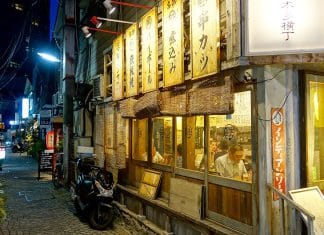




 dish that is comprised mainly of meat, vegetables, and tofu, which are placed into hot simmering broth to cook.)