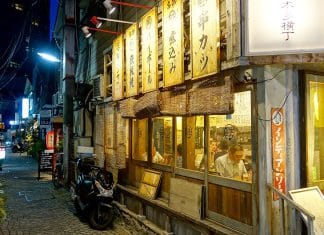
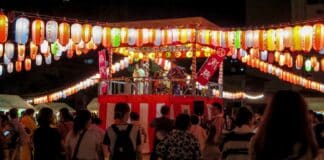
Japanese festivals or matsuri (祭り) are a large part of Japanese culture. Festivals are held for a multitude of reasons; whether they be religious, cultural, seasonal, or otherwise. There are many nationwide festivals that happen ever year and are celebrated all throughout the country. Additionally, many local festivals have grown to become quite famous and attract not just nearby residents, but travelers domestic and abroad.
Nationwide Matsuri
These festivals can be found throughout the entirety of Japan. Many are associated with a National Public Holiday.
Shougatsu (Japanese New Years) – January 1st
Seijin Shiki (Coming of Age Ceremony) – Second Monday in January
Hinamatsuri (Doll Festival) – March 3rd
Hanamatsuri (Flower Festival) – April 8th
Tanabata (Star Festival) – July 7th or August 8th depending on region
Cultural Festivals at Schools – ~ November 3rd
Shichi-Go-San (Seven-Five-Three) – November 15th
Omisoka (New Year’s Eve Festival) – December 31st
Famous Local Festivals
Sapporo Snow Festival – February – Sapporo
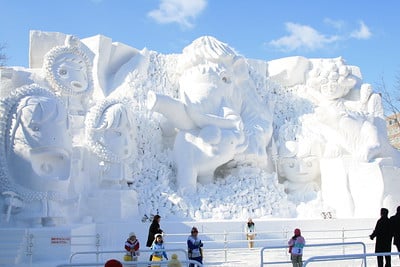
An annual 7-day long festival takes place in Sapporo, Japan during the month of February. There are hundreds of amazing snow and ice sculptures scattered around Odori Park, Satoland, and Susukino. Every year, around 2 million or more people attend the festival. Ice slides, mazes and more ice related structures are created each year to entertain visitors. Various regionals foods and drink are served such as fresh seafood and famous Hokkaido dairy products.
Omizutori – March – Nara
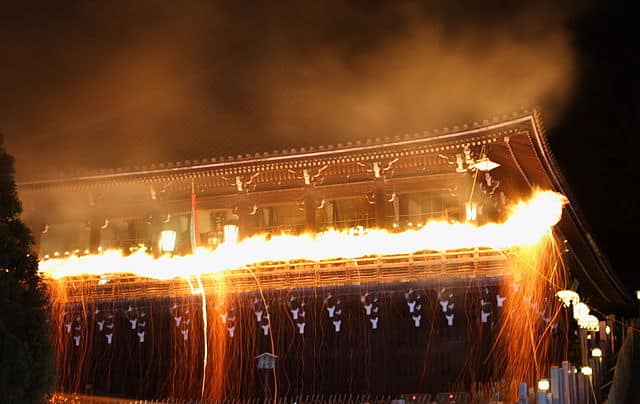
Omizutori (お水取り) is known as the water-drawing festival and is an annual Japanese Buddhist festival that is part of a larger series of events in a two-week long ceremony known as Shunie. The ceremony has been going on every year since 752 AD. The ritetakes place at the Nigatsudo (second month hall) in Todai-ji temple in Nara, Japan. During the night of March 12th into the 13th, Buddhist priests carrying torches draw water from the well at the base of the temple hall.
Kanamara Matsuri – April – Kawasaki
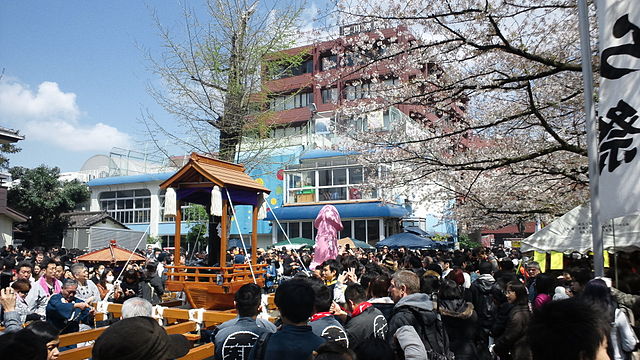
One of the more… interesting festivals in Japan is the Kanamara Matsuri or in English “Festival of the Steel Phallus”. The festival is held annually at the Kanayama Shinto Shrine on the first Sunday of April in Kawasaki, Japan. At the event, all the decorations, candy, vegetables, and more are shaped to look like phalluses. The main event is a mikoshi parade where palanquins carry very large phallus’s made of metal or wood throughout the streets. The festival attendees pray for fertility, good marriages, and/or protection and cures for sexually transmitted diseases. The festival is open for everyone, including families and children.
Aoi Festival – May – Kyoto
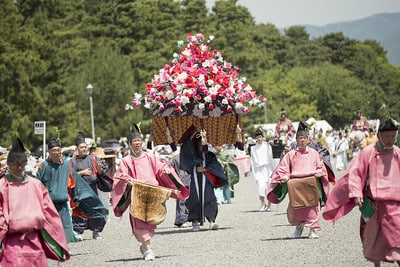
Aoi matsuri takes place annually on May 15th in Kyoto. Aoi means hollyhock in Japanese and is named as such for the hollyhock leaves that are worn by the parade participants. The parade is the star attraction for Aoi Matsuri and features many people dressed in the clothes worn by the upper class during the Heian period. The original intention of the festival was for protection against natural disasters, such as earthquakes, and hollyhock leaves were believed to provide this protection.
Gion Matsuri – July – Kyoto
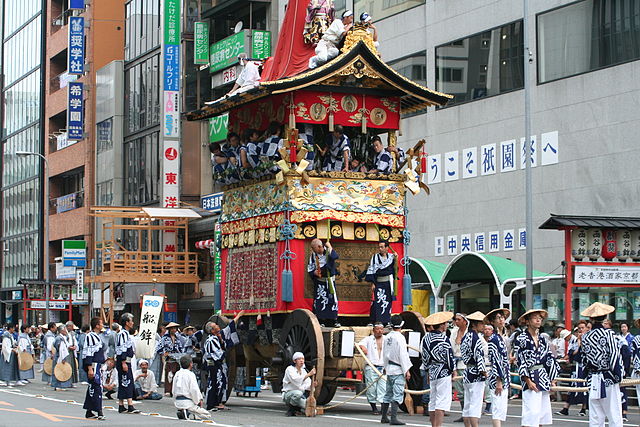
This annual festival takes place during the entire month of July in Kyoto. It is one of the biggest and most famous festivals in Japan. The name Gion Matsuri comes from the festival being located in the Gion district in Kyoto. While the festival is all month, July 17th and 24th are the days when big processions of floats march down the streets. On the nights prior to the processions days, food stalls line the streets selling the usual Japanese streets foods yakitori, takoyaki, okonomiyaki, and more.
Many More Festivals to Discover
These are just a few of the more notable matsuri that can be found throughout Japan. However, there are many more festivals than just these; some a little stranger or more niche, but all are an integral part of what makes Japan, Japan. If you ever have the chance to visit Japan, make sure to check if there will be any festivals nearby so that you can attend and experience one for yourself. They are an amazing way to immerse yourself in Japanese culture.